
When can I start exercising after a breast lift?
You should wait a minimum of six weeks before resuming full exercise after a breast lift. Dr. Anita Patel in Beverly Hills advises a gradual transition from light activities, like gentle walking, to more strenuous workouts, and you must obtain surgical clearance first to avoid complications during your recovery.
What activities should I avoid in the first weeks of breast lift recovery?
Avoid lifting, straining, bending over, and any strenuous activity in the early weeks after a breast lift, since these create too much strain on healing incisions. Dr. Anita Patel recommends keeping physical activity minimal and focusing on gentle walking to promote blood flow and protect your surgical results in Beverly Hills.
Why is gentle walking recommended after a breast lift?
Gentle walking is recommended in the initial weeks after a breast lift because it promotes blood flow and oxygenation, both crucial for proper healing. Dr. Anita Patel encourages this low-impact movement while you keep more demanding physical activity to a minimum, helping incision sites heal correctly and keeping recovery on track in Beverly Hills.
What does the typical breast lift recovery timeline look like?
By the second or third week after a breast lift, most patients return to work and light household chores while avoiding heavy lifting. Dr. Anita Patel notes that the six-week mark is a significant milestone for evaluating recovery progress and adjusting activity levels, though every patient's timeline is unique in Beverly Hills.
Start exercising after breast lift surgery at the right time to ensure a smooth recovery. This guide explains when to begin, which activities to avoid, and safe exercises to support your healing, including tips on how to exercise after breast lift procedures effectively.
Key Takeaways
- Recovery after breast lift surgery requires patience and adherence to guidelines, with a focus on gradual reintroduction of activities to prevent strain.
- Patients should wait a minimum of six weeks to resume full exercise, gradually transitioning from light activities to more strenuous workouts under professional guidance.
- Adopting safe exercise practices and listening to body signals during recovery is vital to avoid complications and maintain a smooth healing process.
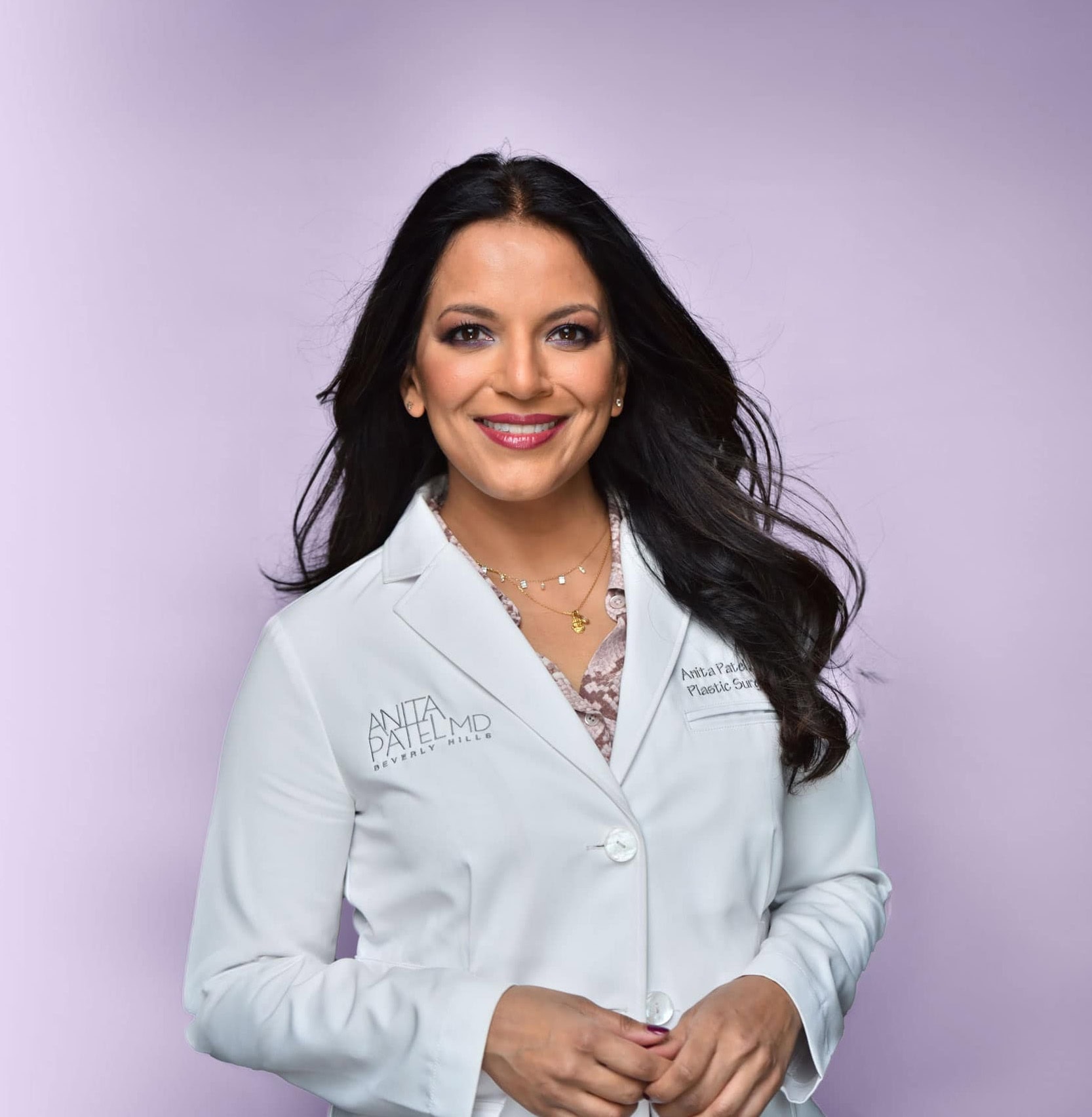
Are You Ready to Meet Dr. Patel to Discuss Your Treatment Goals?
Understanding the Recovery Process
The recovery process after breast lift surgery is a gradual journey that requires patience and adherence to specific guidelines. It is crucial to view recovery as a process rather than a set period, emphasizing the need for a gradual reintroduction of activities. Adhering to your surgeon’s pre- and post-surgical instructions ensures a smoother recovery after breast surgery.
Avoiding lifting, straining, and bending over can help prevent too much strain, and ensure that you maximize the chances of achieving great results from your surgery.
Initial Healing Stages
The initial stages of the recovery process involve several physical changes, including swelling, bruising, soreness, and tenderness in the chest area. During the first two weeks, it is recommended to wear a supportive sports bra 24/7 (aside from while showering) to promote healing, and provide necessary support to the surgical site. Gentle care and careful observation are paramount during this period to ensure no signs of infection, such as redness or discharge, or blood supply issues, are present.
In the initial weeks, it is important to keep physical activity to a minimum and focus on gentle walking to promote blood flow and oxygenation, which are crucial for the healing process. Staying vigilant and attentive to your body’s needs helps incision sites heal properly and keeps you on track for full recovery.
Emotional Well-being
The journey of recovery is not just physical but emotional as well. Experiencing fluctuations between excitement, anxiety, and sadness is common. These emotional ups and downs are entirely normal as your body reacts to significant changes and adjusts to the new normal. Engaging in mindfulness or meditation, or other soothing practices, can be particularly beneficial during this time, as these activities enhance mood and reduce stress.
Resuming physical activity after surgery often brings a mix of excitement and nervousness. Maintaining emotional well-being involves being patient with yourself and celebrating small milestones. Remember, your mental health is just as important as your physical recovery, and taking the time to nurture both will lead to a more holistic healing process.
Typical Recovery Timeline
Understanding the typical recovery timeline helps manage expectations and plan your return to normal activities. Each patient’s recovery process is unique, and comparing your progress to others can be misleading. A general timeline suggests that by the second or third week post-surgery, patients can return to work and light household chores. However, it is important to avoid heavy lifting and strenuous activities during this period to ensure proper healing.
Regular check-ups with your surgeon allows for monitoring progress and addressing any concerns. Before you safely resume exercise, ensure you have clearance from your surgeon to avoid any complications.
Reaching the six-week mark is a significant milestone, allowing you to evaluate your recovery progress and adjust your activity levels accordingly.
When to Start Exercising After Breast Lift Surgery
Finding the right time to start exercising after breast lift surgery is key to a successful recovery. Patients should wait a minimum of six weeks before resuming full exercise to ensure that the surgical sites have healed sufficiently. Upper body workouts and heavy lifting should be gradually resumed to avoid injury or jeopardizing the results.
Each patient’s recovery pace varies, making it essential to listen to your body’s progress and follow the guidance of a board-certified plastic surgeon. Rushing back into exercise can lead to complications, so patience and professional guidance from your plastic surgeon is key. Plastic surgery requires careful consideration during recovery.
Light Activities in the First Weeks
During the first week post-surgery:
- Light activities such as walking are highly recommended.
- Walking for 10 to 15 minutes at a time, promotes blood flow and oxygenation, which are essential for the healing process.
- It is crucial to avoid heavy lifting and strenuous activities to ensure proper recovery.
Light walking helps maintain an active lifestyle through light exercise without putting undue strain on the healing surgical sites.
Three Weeks Post-Surgery: Gentle Lower Body Exercises
Three weeks post-surgery, you can start incorporating gentle lower body exercises. These low-impact movements help maintain an active lifestyle while avoiding stress on the healing breast area. It is important to limit shoulder and arm movement during this period to prevent any strain on the surgical sites.
Engaging in moderate physical activities, light low-impact cardio, and lower body exercises can aid in a smooth recovery while avoiding complications.
Six Weeks Onwards: Reintroducing Upper Body Exercises
After six weeks, you can begin to reintroduce gentle upper body exercises, provided you have clearance from your surgeon. Light upper body movements, such as shoulder rolls and gentle arm circles, can help maintain flexibility and strength without straining the surgical sites.
Most patients can return to their regular exercise routines around six weeks post-surgery, depending on their individual progress and medical clearance. It is essential to gradually reintroduce high intensity or heavy weight exercises, to prevent any strain on the chest area.
Safe Exercise Practices for Breast Lift Recovery
Adopting safe exercise practices during breast lift recovery is crucial to avoid complications and ensure a smooth healing process. Avoid activities that excessively strain the chest area, as this can increase the risk of complications. High-impact exercises should be avoided, as they can lead to increased inflammation, prolonged swelling, and improper healing.
Instead, focus on core exercises that enhance stability, posture, and blood circulation, which are vital for a successful recovery. Establishing a consistent workout routine post-surgery is essential for ongoing health and achieving fitness goals.
Choosing the Right Exercise Routine
Choosing the right exercise routine after breast lift surgery involves understanding your individual healing timeline and fitness level, and adjusting expectations accordingly. Light resistance exercises for the back, shoulders, and arms are recommended to avoid straining the pectoral muscles. Shoulder rolls and arm circles can help alleviate tension and maintain flexibility.
Incorporating strength exercises cautiously and understanding which are beneficial versus harmful is important for weight training.
Importance of Listening to Your Body’s Signals
Listening to your body’s signals during recovery prevents setbacks and ensures smooth healing. Pay attention to signs of discomfort during exercise, as they may indicate the need to decrease intensity or modify the activity. Recognizing when to stop or adjust an exercise can help maintain continuous progress without risking injury.
Mixing different types of exercises can combat boredom and reduce the chances of repetitive strain injuries.
Gradual Increase in Physical Activity
Gradually increase physical activity is essential to avoid compromising the healing process. Follow these steps:
- Start with short sessions of light activities.
- Slowly build up strength and intensity.
- Carefully approach cardio activities to ensure they do not strain the surgical sites.
Noticeable reductions in swelling, discomfort, and overall healing by the one-month to six-week mark allow for a gradual increase in physical activity.
Recommended Exercises for Post-Breast Lift Recovery

Engaging in recommended exercise after breast lift surgery can enhance recovery without risking injury. Gentle walking or light activity is beneficial for maintaining strength and flexibility.
Adding these exercises to your routine supports your physical health and contributes to a smooth recovery.
Light Cardio Options
Light cardio exercises are crucial in promoting blood circulation and contributing to overall fitness during recovery. Short exercise sessions, such as 15-minute walks, can effectively enhance your activity levels without straining the surgical sites, which can help prevent blood clots.
Stationary cycling and walking are excellent light cardio options that support healing and fitness post-surgery.
Gentle Arm Exercises
Incorporating gentle arm exercises around six weeks post-surgery can help maintain muscle strength and flexibility while preventing stiffness. Always follow the guidance of a board-certified plastic surgeon, like Dr. Anita Patel, and choose exercises that do not involve bouncing or create pressure on the chest muscles area early on.
Avoid engaging in any strenuous activities during the healing phase, focusing instead on low-impact, gentle movements such as certain yoga poses, and light weights if any.
Core and Lower Body Workouts
Focusing on core strength after breast lift surgery is important as it supports recovery, improves posture, and enhances stability. Effective core training during recovery can improve blood circulation, enhance stability and balance, and reduce the risk of strain.
Incorporating lower body workouts such as squats and lunges can further support your recovery and maintain an active lifestyle without putting undue stress on the chest area.
Avoiding Common Exercise Mistakes
Avoiding common exercise mistakes during recovery is essential to ensure a smooth and complication-free healing process. It is crucial to avoid heavy lifting and strenuous activities in the first week, as they can lead to increased inflammation, swelling, and improper healing.
Monitoring your body’s feelings and pain levels while exercising can help prevent setbacks and ensure continuous progress. If discomfort is experienced, relieve discomfort by reducing the intensity or consulting with your surgeon.
Avoiding Strenuous Activities
Engaging in strenuous activities too soon after breast lift surgery can lead to complications such as:
- Bruising
- Swelling
- Pain
- Tenderness
- Infections
- Poor scarring
It is advised to avoid heavy weightlifting (more than ten pounds) for the first month following surgery to prevent any strain on the surgical sites.
High-impact activities and exercises putting pressure on incision sites should be strictly avoided during recovery to ensure proper healing.
Monitoring for Unusual Symptoms
Monitoring for unusual symptoms during recovery is crucial to ensure a safe and effective healing process. Watch for warning signs such as severe pain, unusual swelling, or unusual discharge from the incision sites.
If any of these symptoms occur, consult with your surgeon immediately to address any potential complications.
Setting Realistic Expectations
Setting realistic expectations maintains motivation and ensures a positive recovery experience. Recovery takes time, and quick results are not realistic. Start slow with manageable targets like a 10-minute workout three times a week. As you progress, take time to celebrate your small accomplishments.
Recognizing that some days will feel better than others helps you stay patient and focused on long-term recovery goals.
Long-Term Exercise Strategies for Sustained Results
Establishing long-term exercise strategies is crucial for sustaining progress and maintaining an active lifestyle after breast lift surgery. Integrating exercise into your daily routine should support your surgical recovery, overall health, and personal fitness goals.
A well-structured plan ensures continuous improvement and long-term success in your fitness journey and also the longevity of your breast lift.
Creating a Sustainable Workout Routine
Creating a sustainable workout routine involves viewing exercise as a fun habit rather than a chore. Identify enjoyable exercises that realistically fit into your weekly schedule to maintain consistency.
Short, 15-minute walks contribute to regular activity and are easily incorporated into your routine.
Incorporating Variety in Your Exercise Plan
Incorporating variety into your exercise plan is essential to prevent boredom and reduce the risk of overuse injuries. A routine that lacks variety can lead to decreased motivation and an increased chance of injuries related to repetitive movements. Choosing exercises that you genuinely enjoy increases the likelihood of sticking to your workout routine.
Mixing different types of physical activities, such as combining cardio, strength training, and yoga, not only enhances your enjoyment but also supports overall fitness progress.
Staying Motivated and Engaged
Staying motivated and engaged in your workout routine post-surgery can be challenging but is essential for long-term success. Here are some ways to boost your motivation and accountability:
- Track your progress regularly to stay focused and celebrate small achievements.
- Find a workout buddy to keep each other motivated.
- Join group classes to increase accountability and engagement.
Establishing a routine of regular progress tracking can help you stay focused and celebrate small achievements, and is much easier to maintain than weight loss prior to a breast lift.
Working out with a buddy can make exercise more enjoyable and provide mutual support in staying committed. Setting small, incremental goals can help maintain long-term motivation and ensure continuous improvement.
Summary
In summary, exercising after breast lift surgery is a journey that requires patience, careful planning, and adherence to specific guidelines. Understanding the recovery process, starting with light activities, and gradually reintroducing more intensive exercises are key steps to ensure a smooth recovery. Listening to your body’s signals, avoiding common exercise mistakes, and setting realistic expectations will help you stay on track and achieve your fitness goals. By incorporating variety into your exercise plan and staying motivated, you can maintain an active lifestyle and enjoy sustained results. Remember, your recovery journey is unique, and taking it one step at a time will lead to a successful and fulfilling outcome.
Frequently Asked Questions
How to keep breasts perky after breast lift?
To maintain the results of a breast lift, it is essential to wear supportive bras, keep your weight stable, prioritize skincare, and choose gentle physical activities. Consistency in healthy habits and regular follow-up appointments will also help in preserving the perky appearance of your breasts.
When can I start exercising after breast lift surgery?
It is advisable to wait at least six weeks before resuming exercise after breast lift surgery, with upper body workouts and heavy lifting gradually reintroduced to ensure proper healing and optimal results.
What activities are recommended during the first week post-surgery?
Engaging in light activities, particularly walking for 10 to 15 minutes daily, is highly recommended during the first week post-surgery to promote blood flow and aid in the healing process. This simple practice can significantly enhance recovery including bowel habits which can slow with the use of pain medication.
What should I avoid during the recovery period?
During the recovery period, it is essential to avoid heavy lifting, strenuous activities, high-impact exercises, and putting pressure on incision sites to ensure proper healing. Adhering to these precautions will support your recovery process.
How can I stay motivated during my recovery?
To stay motivated during recovery, track your progress, set small incremental goals, and consider finding a workout buddy or joining group classes. Keeping your reasons for starting in mind will further enhance your motivation and commitment. Shifting focus to eating nutritious foods during the time your activity is decreased, can often feel beneficial so you still feel you are taking an active role in your recovery, and prevent worry about weight gain.